
What To Eat During Pregnancy
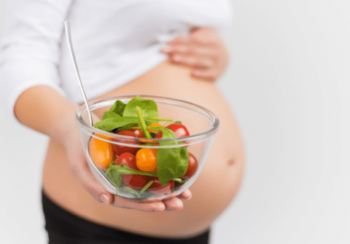 When pregnancy is confirmed women start to seek information on keeping healthy. So if you’re asking questions about “what to eat in pregnancy?” you’re not alone. This is one of the most common questions many mums-to-be ask. Naturally, you want to eat well to provide your growing baby with all the nutrients it needs to develop properly.
Healthy eating will give your baby a great start in life and help you avoid pregnancy problems. Eating well doesn’t just mean increasing or reducing what you eat. It’s about eating a balanced diet for you and the baby.
In this section, we’ve put together information on what to eat in pregnancy, as well as what foods you should avoid and why.
What to eat in pregnancy articles

Do you need to be eating organic food during pregnancy to be healthy?
Pregnancy is a time when what you eat matters more than ever. Eating organically during pregnancy is considered healthier for you and your baby. But it’s also harder to get organic food, and when you do, it’s much more expensive. So, is it worth it? Organic farming, pesticides and nutrients One of the main arguments for eating organic food is to reduce pesticide exposure. Fortunately, in Australia, we closely monitor chemical residues in food, ensuring they are always well
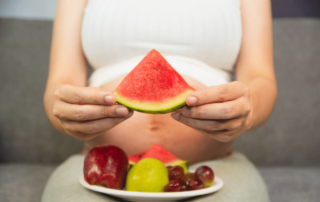
Eating for two
It's hard being a woman. Many of us spend much of our adult lives watching our weight, struggling to get enough exercise and disciplining our eating. When we become pregnant it can seem like the perfect opportunity to relax the reins a little; after all, we are eating for two, right? Not quite. The job of growing a baby undoubtedly places additional demands on a pregnant woman's body and adequate nutrition is critical. In low resource settings or during

Have you heard of the benefits of watermelon during pregnancy?
Watermelon is not just a juicy summer treat for kids. It’s a nutritious food for everyone, with excellent reasons to eat watermelon during pregnancy. Do you want: Another way of keeping your fluids up? To deal with morning sickness? To reduce the risk of some complications for you and your baby? Watermelon is one of the foods that may help deliver these benefits. Getting your fluids up We call it “watermelon” for a reason, with water making up about
Getting serious about Folic Acid
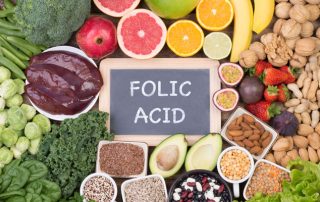
By Hannah Dahlen Folic Acid is a Vitamin from the B group that is needed for healthy growth and development. While everyone needs Folic Acid it is especially important for women of childbearing age, particularly those planning a pregnancy. Folic Acid enables the healthy development of babies in early pregnancy. It significantly reduces the risk of certain abnormalities called neural tube defects, such as spina bifida. Women are recommended to take folic acid supplements (0.4 milligrams) for at least
Protein Matters in Pregnancy and Lactation
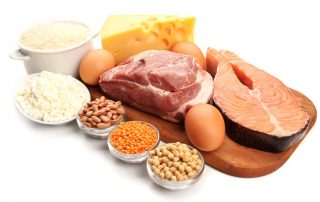
Does natural protein matter in pregnancy and lactation? Protein is an essential macro-nutrient, from the protein, fat and carbohydrate family. Protein is required by everyone for optimal health. This is even more so during pregnancy and lactation; protein matters. Made up of amino acids, protein forms the building blocks of your body's cells and that of your baby. The need for protein increases during the second and third trimesters of pregnancy. This is when your baby is growing at
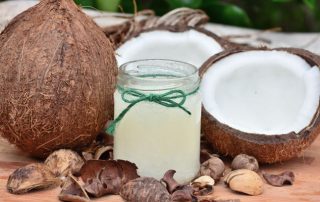
Coconuts: Tropical Miracle Food
By Beryl Truong On a recent holiday to South East Asia, I loved being able to have a juicy fresh young coconut every day as well as feeding the coconut water and young flesh to my 7-month-old infant. The nutrient density of coconuts means it has long been revered in traditional cultures as both food and as medicine. Did you know that the composition of mineral nutrients in coconut water is almost exactly that of human blood plasma? In
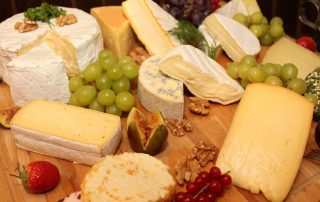
Listeria and Pregnancy
What food is safe to avoid listeria during pregnancy? Listeria is a bacteria that is found in nature and lives in some foods. Sources of Listeria include most animals, soil, vegetation and sewerage. Because of this, Listeria can easily enter our food chain. An infection with Listeria can cause mild ‘flu-like’ symptoms, urinary tract infections or even quite serious illness. In adults who have an impaired immune system, Listeria can cause illnesses such as meningitis, pneumonia and encephalitis. Listeria
Safe Eating and Drinking Before and During Pregnancy
What are the tips for safe eating and drinking before and during pregnancy? Thinking about getting pregnant? This article is by Food Standards Australia New Zealand (FSANZ). It will provide you with vital information about what you eat and drink before and during pregnancy. Dr Paul Brent, FSANZ’s Chief Scientist, said that thinking about having a baby is an exciting time. But there are a few vital things to remember about eating and drinking. This is to make sure
Eating Organic Food When Pregnant and Breastfeeding-What are the benefits?
By Raquel Bosustow As a mother of three children under four, Raquel Bosustow, owner of Organics Only, understands the importance of eating organic food and leading a healthy lifestyle whilst pregnant and breastfeeding. Raquel found a study conducted by the Journal of Applied Nutrition in 1993 that has proved organically grown fruit and vegetables have a higher nutritive content than conventional produce. Organic food like apples, wheat, corn, potatoes and peas were examined over a two-year period and were
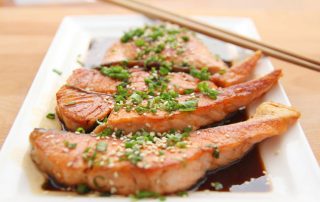
Eating Fish During Pregnancy
Does eating fish during pregnancy healthy for you and your baby? Fish is a highly nutritious food and an excellent source of protein, vitamins and minerals such as Vitamin D, Iodine and omega-3 fatty acids. All these nutrients provide important health benefits to you and your baby when you are pregnant or breastfeeding. Omega 3 is important for the development of the central nervous system in babies. This is both before and after they are born. The concern with
Should pregnant and breastfeeding women take Iodine supplements?
There have been reports in the media recently linking a lack of Iodine in pregnant and breastfeeding women’s diets to intellectual problems in their children. Several studies have shown a re-emergence of mild to moderate Iodine deficiency in school children, healthy adults and pregnant women. This was identified in Tasmania, Victoria, New South Wales and New Zealand. Over a third of the world’s population live in areas where there is Iodine deficiency so this not an uncommon problem. However,

What is Folic Acid
Folic acid, also known as folate, is a water soluble B-group vitamin carried through the bloodstream and excreted in urine. Because it is not stored in the human body we must consume folic acid every day in order to make sure our body has an adequate supply. Folic acid performs several vital functions in the body. These include: Synthesizing DNA and repairing RNA Aiding rapid cell division and growth Producing healthy red blood cells Preventing major birth defects of
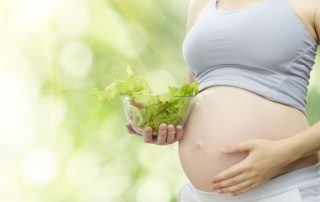
Folic Acid For Pregnancy: Before, During, After
Folic acid, also known as folate, is a B-group vitamin that is essential for the healthy development of the foetus in early pregnancy. Folic acid is instrumental in preventing neural tube defects (NTDs) – serious birth defects of the spinal cord (such as spina bifida) and the brain (such as anencephaly). The use of folic acid for pregnancy In Australia, approximately 600 pregnancies each year result in foetuses affected by neural tube defects. Taking folic acid prior to conception
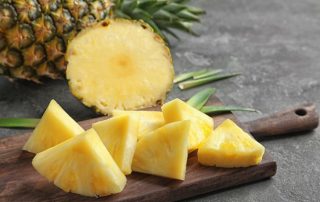
Safety of Pineapple During Pregnancy
Do a quick search on any good internet search engine and you’ll discover just how often pregnant women ask about the safety of pineapple during pregnancy. While some sites attribute this question to an old wives tale, others tell of the dangers of uterine contractions brought on as a result of consuming pineapple. This risk is attributed to a substance called Bromelain. Bromelain is a mixture of enzymes found naturally in the juice and stems of pineapples. Bromelain has
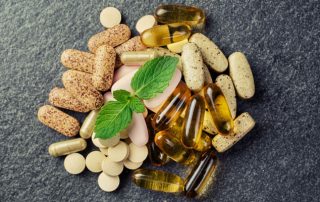
Supplements in Pregnancy
By Hannah Dahlen In pregnancy a woman's body needs extra vitamins, minerals and nutrients to help her baby grow. In addition, the presence of some nutrients in good supply has been shown to reduce the risk of certain conditions in pregnancy. Having a healthy diet is the best way of ensuring you are receiving the vitamins you need. That said, pregnancy is a time of great strain on the body, resulting in an increased need for nutrients such

Caffeine During Pregnancy
Many of us cannot imagine starting a day without a cup of tea or coffee and for some a can of cola or an afternoon cuppa is like a means to survival! Tea, coffee and cola all contain caffeine which is a stimulant and for many is what kick-starts them into their day and keeps them going. However caffeine can have harmful effects on anyone’s body and in addition caffeine during pregnancy has been shown to have potentially harmful